
710 Day Staffing for Cannabis Dispensaries: The Operator’s Playbook
On the Monday after 710 in 2025, we got the same call from three different cannabis operators in three different states. All three opened with some version of: “I do not know what happened on Friday. The line never stopped. We sold out of three SKUs by 2pm. Two budtenders quit on Saturday. And I just got a call from someone claiming we did not give breaks all day.”
However, every one of those calls was preventable. The operators who staffed 710 correctly in 2025 are the ones who treated July 10 as its own event, not as a smaller version of 4/20. Here is the staffing playbook before the next one hits.
What 710 actually is
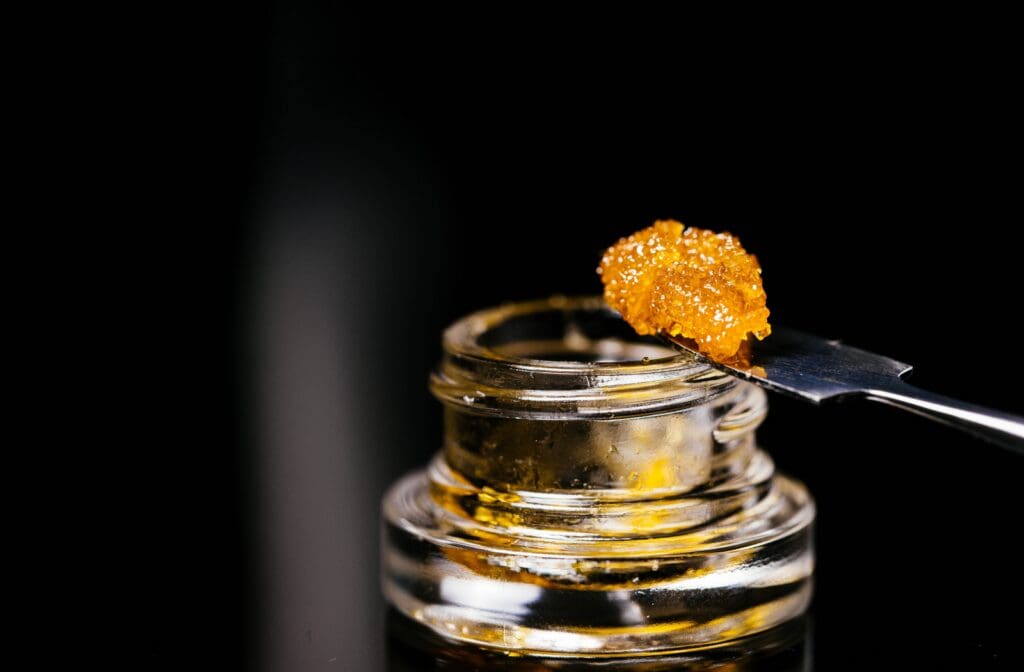
July 10, written as 7/10, flips to OIL when you read it upside down. That word is how dabbers and concentrate fans claimed the date as their holiday. Where 4/20 is the flower world’s biggest day, 710 is concentrates. Live rosin, hash, badder, budder, dabs, rigs.
Meanwhile, the concentrates category has been the fastest-growing segment in legal cannabis for three years. As a result, the holiday now drives traffic spikes that catch operators off guard, especially the operators who staffed for a Tuesday-feeling Friday because July 10 lands mid-week most years.
Why 710 is operationally different from 4/20
First, if you ran 4/20 well, you have part of the playbook. The rest of it does not transfer. Five differences matter.
First, traffic patterns are bimodal. 4/20 traffic builds steadily through the day and peaks at close. 710 traffic peaks twice. Once at lunch, when the dabbing community shows up for first sessions, and again at 4 to 7pm, when the second wave arrives after work. A continuous-staffing model fails both peaks.
Second, average ticket runs 30 to 50 percent higher. Concentrates carry higher unit prices than flower. The 710 customer is also more likely to buy multiple SKUs in one visit. Your POS will look different by 6pm even if your headcount is similar to 4/20.
Third, customer mix shifts. The 710 customer is more knowledgeable about product than the average 4/20 shopper. They will ask about extraction methods, terpene profiles, dabbing temperatures, rig compatibility. Generic flower-first answers get them out the door without a sale.
Fourth, traffic spikes 2 to 4x normal. Not 1.5x like a busy Friday. Two to four times your usual Tuesday or Wednesday. If your weekday baseline is 200 transactions, plan for 400 to 800.
Finally, burnout risk is higher per shift. Every interaction is more intense. More questions, more product education, more transactions per budtender per hour. Your team is more tired after 710 than after 4/20 even if total revenue is lower.
The 5 staffing mistakes operators make on 710
1. Staffing at 4/20 levels. Too many people, wrong roles. 4/20 needs floor density for crowd flow. 710 needs product expertise per transaction. Doubling your usual staff in floor coverage misses the point. You need fewer bodies and more concentrate-fluent ones.
2. Putting newer budtenders on the floor. Concentrate questions come fast and technical. Specifically, your three-week budtender will hit five questions in the first hour they cannot answer with confidence. The customer walks. Newer budtenders belong in support roles on 710, not on the front line.
3. Not running a daytime and an evening shift. 710 traffic is bimodal. Furthermore, a 10am to 8pm single shift puts your strongest team in the middle dead zone and your weakest team during the 4 to 7pm peak. Two distinct shifts work. Lunch crew (10am to 3pm) and dinner crew (3pm to 9pm).
4. Forgetting break coverage. Notably, this is the most expensive mistake. High-volume days are when wage and hour claims spike. State break laws still apply on 710. If you do not have planned break coverage, you have employees skipping breaks under pressure, and then your most resentful budtender is the one who files the complaint two weeks later.
5. Skipping the post-event debrief. You learn the most on the morning of July 11. Which SKUs sold through. The customer questions you could not answer. The budtenders who hit the wall. The lines that piled up. Skip the 30-minute debrief and you run the exact same mistakes next year.
The 710 staffing formula that works
This is the structure we run with operators across MA, NY, NJ, CO, and CA. Adjust to your store size.
Senior budtenders on concentrates. Specifically, your top two or three product-fluent staff stand at the concentrate display or at a dedicated 710 counter. They answer the technical questions and close the higher-ticket transactions.
Junior budtenders on flower and accessories. The newer staff stays where the questions are simpler. Flower, edibles, accessories, merch. They learn the floor without slowing your top sellers down.
One runner per four budtenders. A runner pulls product from the back, restocks displays, and handles inventory questions. In contrast, without runners, your senior budtenders leave their station every five minutes. With runners, they stay in flow.
Manager on the floor, not in the back office. Likewise, a 710 manager is a floor manager. They run interference, handle de-escalations, cover breaks personally if needed, and watch the line. The schedule and the POS reports happen the next morning.
Two shifts, not one. For example, lunch crew lands at 10am, breaks at 12:30, finishes at 3pm. Dinner crew lands at 2pm for a 60-minute overlap and shift handoff, then runs through close. In fact, the overlap is where your retention happens. People do not burn out if they see relief coming.
The state break compliance trap
State break and meal period rules do not pause on 710. Here is the quick read for the five markets we work in most.
Massachusetts. A 30-minute meal break after six hours worked, unpaid if employee is fully relieved of duties. No state-mandated paid rest breaks for adults.
New York. A 30-minute meal break for shifts longer than six hours that extend over the noon period. A 45-minute meal break for shifts of more than 11 hours. Specific factory and labor-classification rules can add more.
New Jersey. No state-mandated meal or rest breaks for adult employees. Federal rules still apply: any rest break under 20 minutes must be paid.
Colorado. A 10-minute paid rest period for every four hours worked, and a 30-minute unpaid meal period for shifts of more than five hours. Strict enforcement.
California. The most aggressive. A 30-minute meal break by the end of the fifth hour worked, a second meal break by the end of the tenth hour, and 10-minute paid rest periods per four hours. Plus daily overtime kicks in at eight hours. Plus PAGA exposure if any of this goes wrong.
If you operate in more than one state, your 710 staffing plan needs state-specific break schedules baked in. A floor manager handing out paper schedules with break times printed is the simplest fix. Our labor-to-sales ratio post covers the broader math on staffing cost per state.
Pre-710 budtender training: the concentrate menu checklist
Most budtenders cannot pass a concentrate fluency test. They have flower locked in. Concentrates are where they fumble. Therefore, your pre-710 training session should cover seven categories at minimum.
Rosin versus resin. Rosin is solventless, made by heat and pressure. Resin is solvent-extracted (usually butane or CO2). Different price points, different customer base.
Live rosin versus cured rosin. Live rosin is pressed from fresh-frozen flower. Cured rosin is pressed from dried, cured flower. Live tends to retain more terpenes and commands higher prices.
Badder versus budder. Both are consistencies of concentrate. Badder is closer to a thick batter. Budder is closer to a softer butter. The texture difference matters for how customers consume.
Dabbing temperatures. Low temp (450 to 550 Fahrenheit) preserves flavor and terpenes. High temp (600 plus) maximizes vapor production but burns terpenes off. The right answer depends on the customer’s setup and preference.
Hash versus concentrate. Hash is a traditional concentrate category, made from compressed trichomes. Modern concentrates include shatter, wax, badder, budder, sauce, diamonds. Knowing the difference signals expertise.
Diamonds and sauce. Diamonds are crystallized THCA. Sauce is the terpene-rich liquid they sit in. Customers ask about this and expect a clean answer.
Rigs and devices. E-rigs (electronic, temperature-controlled), traditional rigs (torch and nail), dab pens (portable, single-use cartridges). Your floor team should be able to recommend the right device for a customer’s experience level and budget.
Specifically, schedule a one-hour training in the week before 710. Have each budtender quiz each other. Anyone who cannot answer cleanly does not work the concentrate counter.
The post-710 retention play
In practice, every operator we work with loses one or two budtenders in the week after 710. The reasons compound. Long day, no breaks, hard customers, manager unavailable, no recognition the next morning.
The fix takes 90 minutes and saves a hire.
Plan a recovery day. Whoever worked 710 does not work the opening shift on July 11. Cover with a salaried manager or with your strongest senior who took a half-day on the 10th. Your team needs to know the recovery day exists before 710, not after.
The GM sends a thank-you note. Personal, written, by name. Mention something specific they did on 710. The note is not a marketing exercise. It is a retention move. Most operators skip this and lose people they did not have to lose. Our budtender retention post covers the broader playbook.
Run the debrief, but make it shorter than you think. 30 minutes max. What worked, what did not, what surprised us, what changes for next year. Document it in writing. Schedule the next 710 prep meeting for May 2027 right then, while the lessons are fresh.
Should you participate in 710 events?
In short, three options on the table. Real ROI math on each.
Sponsor a local 710 event. Costs $500 to $2,000 depending on the event. Returns are mostly brand awareness and foot traffic the day after. Worth it if you are still building local presence. Not worth it if your community already knows you.
Run an in-store 710 activation. Cost is $0 to $500 (food, decor, music). Returns are direct revenue. Customer comes for the event, stays for the shopping. Almost always positive ROI if executed well.
Customer appreciation hour. Pure loyalty play. Discounts or free swag for top customers in the hour before close. Costs the margin on the discounted product. Returns are repeat traffic for the rest of Q3.
Recommendation: if your store is established, do the in-store activation plus the appreciation hour. Skip the sponsorship money unless you have a specific brand reason. Our Cannabis Events July 2026 roundup covers the broader event calendar if you want to send team members out.
What to do this week
Below, the five-day pre-710 prep checklist. Run it in this order.
Five days out (Saturday). Pull last year’s 710 sales data if you have it. Identify the top three concentrate SKUs. Confirm inventory levels for each. Flag any items you need to reorder.
Four days out (Sunday). Schedule the one-hour concentrate menu training for Monday or Tuesday. Send the agenda to your full retail team.
Three days out (Monday). Build the staffing plan. Two shifts, runners assigned, manager on floor, break coverage mapped to your state rules. Print the schedule and hand it to every employee.
Two days out (Tuesday). Run the training. Quiz the team on the seven concentrate categories. Anyone who fails is on flower-and-accessories, not concentrate counter.
One day out (Wednesday or Thursday). Final inventory check. Confirm the recovery-day schedule for July 11. Prep the GM’s thank-you note template so it goes out the morning of the 11th. Pair this with your cannabis hiring pipeline so the team feels supported, not replaceable.
See you on the other side of July 10
Ultimately, 710 is the easiest holiday for a cannabis operator to misstaff. It is also the easiest one to nail with a real plan. Three categories of operator come out the other side stronger: the ones who treated it as its own event, the ones who staffed senior on concentrates, and the ones who built a real recovery day into the calendar.
If you want a second set of eyes on your 710 staffing plan before July 10, [Book a Call](Calendly link) with Zen Den. Our fractional HR team has staffed 710 with cannabis operators across MA, NY, NJ, CO, and CA. We will look at your current plan, your state break rules, your concentrate inventory, and your post-event recovery setup together. No pitch deck, no upsell. Just the math on how to staff July 10 without losing two budtenders the week after.
Editor's note
This post is informational and reflects patterns we have seen across the 50+ cannabis operators we work with. It is not legal advice. Federal drug testing, DOT compliance, and immigration rules interact in complicated ways and change frequently. Consult licensed employment counsel and immigration counsel before making hire or fire decisions involving federally-regulated workers.
July 1, 2026
Kim Bruen


Be the first to comment