
Getting HR Ready for Virginia’s 2027 Cannabis Retail Market
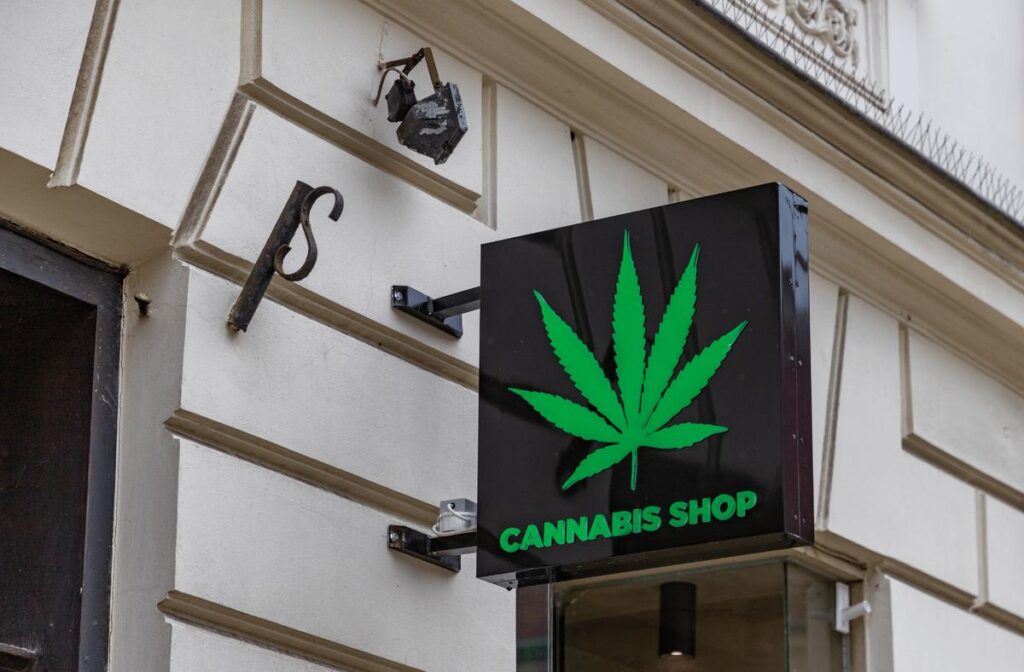
Virginia cannabis HR starts before you hold a license, because the state’s retail law already requires a labor peace agreement, bars knowingly employing anyone under 21, and requires training for every employee. Most detailed rules are still in draft, so plan around the official dates. The Cannabis Control Authority must begin accepting applications for some license types by February 1, 2027, and retail sales begin July 1, 2027.
Last verified: November 11, 2026, against the Virginia Cannabis Control Authority (CCA) pages, the Governor’s office releases and the Code of Virginia pages linked below. The CCA updates its timeline as work moves forward, so recheck any date before you rely on it.
This guide is for an owner who plans to apply for a Virginia adult-use retail license or to open a store once licenses issue. We label each requirement as final, proposed or undecided. We also mark general HR practice as practice, not law. That way, you can tell what the state requires from what we suggest. Primary sources are the CCA, the Governor’s office and the Code of Virginia, while law firm and press pieces carry a “secondary” label.
What HR requirements come with opening a cannabis dispensary in Virginia?
Five items in the Code of Virginia reach HR directly, and the rest of the picture is still in draft. The five are a labor peace agreement, the under-21 hiring rule, background checks on owners and officers, training for every employee, and conduct rules for staff. Virginia cannabis HR also includes the ordinary duties that apply to any Virginia employer, such as payroll tax registration and the state minimum wage.
Two cautions come first. The Code pages cited here show an enactment note of “2026, Sp. Sess. I, c. 1.” They also warn that the Code’s list of session-law chapters may not be complete, so confirm effective dates with the official Code. In addition, the CCA has not yet finalized the regulations that will fill in most operating detail.
Statuses used in the tables
The tables use three statuses. Final means the text appears in the Code of Virginia on the page date shown. Proposed means a draft or plan that nobody has adopted yet. Undecided means the Code and the CCA pages published so far contain no rule and no official statement on the point.
Table of Virginia requirements that touch HR: license and ownership rules
| Requirement | Source | Status | What to prepare |
|---|---|---|---|
| A labor peace agreement with a bona fide labor organization, entered into, maintained and followed for as long as you hold the license | Va. Code 4.1-1001, page dated 8/4/2026 | Final for the requirement. Terms and review schedule undecided | Pick a labor counsel, list the organizations you could approach, and decide who negotiates for you |
| A signed labor peace attestation from you and the organization with your application, and a new one within 10 days of each renewal submission | Va. Code 4.1-1001 | Final | Calendar the renewal date and name the person who signs |
| Fingerprint, FBI and Virginia State Police checks on each individual applicant and each officer, director or principal. A felony or moral turpitude conviction within seven years can bar a key person | Va. Code 4.1-1000, page dated 10/20/2026, and 4.1-810 | Final | Build your ownership chart early and collect consent from every person it names |
| Limits on holding an interest in licenses. “Interest” covers at least 10 percent of ownership or economic value, and it also lists roles such as officer, director and other management positions | Va. Code 4.1-807 | Final | Ask counsel before you give any manager equity, profit share or an officer title |
| Impact licensee ownership of at least 51 percent by qualifying persons, with limits on selling most ownership for five years | Richmond BizSense and 12 On Your Side, secondary reports on the September draft | Proposed | If you may apply as an impact applicant, plan pay without equity until counsel clears it |
Table of Virginia requirements that touch HR: employees
| Requirement | Source | Status | What to prepare |
|---|---|---|---|
| The Board must refuse a license if a key person knowingly employs, or allows to volunteer, anyone younger than 21 | Va. Code 4.1-810, page retrieved 11/3/2026 | Final | Set a floor of 21 for employees, interns and volunteers, and write it into every posting and offer |
| Background checks on rank-and-file employees, or a state agent card | No such rule in the Code sections opened. The draft regulations are not summarized here | Undecided | Screen candidates under your own policy, then adjust when the final rules appear |
| Training for all employees, using Board-established or Board-approved training, on discussing the potential risks of marijuana use with consumers | Va. Code 4.1-802, page dated 7/21/2026 | Final for the duty. Course content undecided | Reserve paid training hours in onboarding and set up a way to track completion |
| A posted human trafficking hotline notice, plus Board-approved information on the risks of marijuana use | Va. Code 4.1-802 | Final | Put both notices on your opening-day checklist and name an owner for each |
| No marijuana use on the premises, none while on duty in a consumer-facing role, and no giveaways. Penalty up to $500, and a repeat violation requires you to end that person’s employment | Va. Code 4.1-1201, page dated 11/1/2026 | Final | Write these rules into your handbook and discipline steps, and train managers to apply them evenly |
Table of Virginia requirements that touch HR: pay and payroll
| Requirement | Source | Status | What to prepare |
|---|---|---|---|
| Cannabis-specific wage, benefit, local-hiring or employee-ownership rules | None found in the CCA, Governor’s office or Code pages opened | Undecided | Budget for ordinary Virginia wage law and watch the final regulations |
| Virginia minimum wage of $12.77 per hour through the end of 2026 | Virginia Department of Labor and Industry | Final | Price payroll at the 2026 rate and at the rate that starts January 1, 2027 |
| Virginia income tax withholding and Virginia Employment Commission registration before your first payroll | Virginia Tax and VEC | Final | Register both accounts before the first pay date |
Read the tables as a map, not a full list. The sections below take each row in turn. They show what the rule says and what to do about it.
Which law created Virginia’s retail cannabis market, and when?
Virginia’s adult-use retail market exists because of budget language, not a standalone bill. The Governor’s office announced the compromise on June 16, 2026 and said the deal would move “through the budget process.” On June 29, 2026, the same office said the General Assembly accepted all of the Governor’s budget amendments. In its words, the budget “will now be law.” The CCA’s own summary of the new laws names House Bill 30 from the 2026 session as the authorizing law.
Why the older dates you may have seen are wrong
Plenty of earlier coverage describes a different plan. The General Assembly passed standalone retail bills in March, and MJBizDaily reported a January 1, 2027 start in a March 16 story (secondary). Public radio station WHRO later reported that the Governor vetoed those bills on May 19, 2026, and that the June compromise moved the launch to July 1, 2027 (secondary).
If a brochure or an AI answer gives you January 2027 for first sales, treat it as stale. The CCA’s own retail market page and FAQ both say retail sales begin July 1, 2027.
What are the official Virginia retail dates for 2026 and 2027?
The CCA publishes an implementation timeline on its retail market page. It says it will update the page as work progresses. The table below combines that timeline with the Code and with one CCA presentation to the legislature. Where only a press report supports a date, the table says so.
Milestones in late 2026
| When | Milestone | Source | Status |
|---|---|---|---|
| September 2026 | CCA released an initial draft of the retail regulations, including draft license fees | CCA retail market page and Richmond BizSense (secondary) | Draft |
| October to December 2026 | Cannabis Public Health Advisory Council reviews the regulations. Its November 12 meeting page lists a “Draft of Adult-Use Retail Market Regulations” among the materials | CCA meeting page | Scheduled |
| December 2026 | CCA plans to finalize the regulations. The CCA Board of Directors lists a meeting on December 16 | CCA retail market page and CCA homepage | Proposed schedule |
| January 2027 | Regulations published and effective. A CCA presentation says the CCA would submit them to the Registrar in early January and publish in late January | CCA retail market page and CCA update to the legislature, August 2026 | Proposed schedule |
Milestones in 2027
| When | Milestone | Source | Status |
|---|---|---|---|
| By February 1, 2027 | CCA must begin accepting applications for some license types, including conversions for pharmaceutical processors and hemp businesses and some microbusiness licenses | CCA FAQ and retail market page | Final deadline. License types not yet announced |
| By May 1, 2027 | CCA deadline to issue certain initial licenses. WHRO reported up to 100 microbusiness licenses by this date | CCA retail market page and WHRO (secondary) | Final per the CCA. Scope per press |
| July 1, 2027 | Retail marijuana sales begin | CCA retail market page and Governor’s office | Final |
| After preliminary approval | A selected applicant has 18 months to supply a location, local government and inspection details, with one extension of up to six months | Va. Code 4.1-1000 | Final |
| Date not announced | Application window for retail store licenses | CCA says it will announce license types, quantities and application dates | Undecided |
What the dates mean for a new retail applicant
Not every retail applicant will open on July 1, 2027. The CCA says it will announce license types, any limits on quantity and application dates, and it holds a lottery if more qualified applicants apply than licenses exist. Richmond BizSense reported in September that retail licenses were not expected in the first batch. That report describes a draft, and a draft can change.
The state also caps retail licenses at 350 statewide, according to the Governor’s office. Virginia Dogwood reported that licenses will phase in over two years (secondary), so your own opening date could land well after July 2027. Build your Virginia cannabis HR plan backward from your license date, not forward from the state’s launch date.
Labor peace agreements in Virginia: what an owner should do first
The labor peace requirement is the most unusual HR item in Virginia’s retail law. It arrives at the application stage. It deserves attention first because it needs outside counsel, outside parties and lead time that hiring plans usually leave out.
What the Code of Virginia says
Section 4.1-1001 defines a labor peace agreement as an agreement between a marijuana establishment and a bona fide labor organization. At a minimum, the agreement bars the organization from picketing, work stoppages and boycotts against the establishment. Applicants, renewal applicants and license holders must have entered into such an agreement, maintained it and followed its terms.
The section makes compliance an ongoing condition of the license. A violation can lead to denial, suspension or revocation. Initial applicants submit a signed attestation from both parties. Renewal applicants submit a new one within 10 days of the renewal submission. The Authority must also set a schedule for reviewing each licensee’s agreement, and it must suspend any licensee whose review comes back unsatisfactory.
What stays unclear about labor peace
Law firm Woods Rogers wrote in a July 14, 2026 alert (secondary) that every applicant must sign an agreement, even before hiring any employees. The section text we read does not say when in the process the agreement must exist, so ask counsel to confirm the timing before you plan around it. Nor does it describe what the establishment owes the organization in return. Meanwhile, the CCA has not yet published the review schedule.
An agreement like this is not a union contract for your employees. It is a deal between your company and a labor organization, and its minimum terms limit the organization’s pressure tactics. Whether your own staff ever organize is a separate question that depends on federal labor law and on your workers.
What to do now (practice, not law)
- Ask an employment or labor attorney to read the full section and explain how the agreement fits your ownership structure
- List the labor organizations that could qualify, and learn how the Authority decides whether one is bona fide
- Name one owner or executive to lead the talks, and set aside time in the weeks before you apply
- Train every manager on how to talk with employees about unions, since a careless comment can cause problems
- Keep a file of every agreement, attestation and renewal date so no deadline slips by
How old must Virginia dispensary employees be?
Customers must be 21 or older, and the Code treats under-21 employment as a risk to your license. Section 4.1-810 lists the grounds on which the Board must refuse a license, and one ground is that a key person knowingly employs, or allows to volunteer, someone younger than 21. The same list requires each key person to be at least 21.
The retail store section, 4.1-802, sets the 21 minimum for buyers. It does not set a separate minimum age for employees. Read together, the two sections point toward a 21 floor for anyone who works on the premises, and the word “knowingly” matters. Still, the CCA has published no statement on how the rule applies to a stock clerk, a cleaner or an intern, so ask counsel for a written answer.
As practice, set the floor at 21 for every role, including volunteers and interns, until the final regulations say otherwise. Then put the age in your job postings, check age and identity at the start of the hiring process, and keep the record in the personnel file. A narrow rule you apply to everyone beats a clever exception that costs you a license.
Who gets a background check under Virginia cannabis HR rules?
The Code sets background checks at the owner and officer level. The Code contains no equivalent rule for ordinary employees. Under Section 4.1-1000, every individual applicant gets a fingerprint-based FBI check and a Virginia State Police check, and so does every officer, director or principal of an applicant. The Board may accept a qualifying third-party check instead of the national fingerprint check. An applicant may request the check no more than 60 days before applying.
What can disqualify a key person
Under Section 4.1-810, the Board must refuse a license in several cases. One is a key person with a felony conviction (other than a felony under the state’s marijuana distribution statute) or a crime of moral turpitude within seven years of the application. The same applies if the person has not finished all sentencing and probation. Section 4.1-1000 adds that the Board may not disqualify an applicant only for a past marijuana-related conviction, subject to Section 4.1-810.
One secondary source differs on the look-back period. Woods Rogers described a five-year window for certain offenses, while the Code page we read says seven years for felonies and moral turpitude crimes. Use the Code text, and ask counsel which rule governs your facts.
What the sources do not say about employees
Woods Rogers wrote that the Authority will run checks on applicants, principals and key employees. The Code sections we read mention applicants, officers, directors and principals, not general staff. The draft regulations may add an employee-level rule. Plan for it without assuming it.
As practice, decide now whether you will screen every new hire. Decide which roles get closer screening and who sees the results. Write the policy before the first job posting goes live, and run it the same way for every candidate. For the Massachusetts version of this work, see the Zen Den guide to HR before opening day. Its agency steps do not carry over to Virginia.
What employee training does Virginia require?
Virginia’s retail store section requires you to train all employees on how to discuss the potential risks of marijuana use with consumers, using training that the Board establishes or approves. That is the only employee training duty in the Code sections reviewed. It appears in Section 4.1-802, and the CCA retail market page repeats it in plain language.
The Board has not yet published the course, the hours or the deadline for finishing it. Woods Rogers also listed required employee training content as undecided. Meanwhile, the CCA’s existing medical program shows how the agency has treated employees so far. Its medical cannabis regulations, effective January 1, 2024, require employee training before work starts and at least once a year, along with written training records. That is a medical program rule and not a retail rule. Use it only as a signal of how the agency thinks.
How to prepare while the course is undecided (practice)
Build your own onboarding so the state course can slot in later. Keep a training record for each employee with the date, topic, trainer and signature, and add a placeholder for the state course in your first-week schedule. For a sign-off sequence, read the Zen Den budtender onboarding checklist. It uses Massachusetts rules but shows the documentation habit.
What conduct rules does the Code already give your handbook?
Section 4.1-1201 bars licensees, agents and employees from using marijuana on the licensed premises, with narrow quality-control sampling exceptions under Board rules. The section also bars use while on duty in a position that sells to consumers. It bars giving products away too. A person convicted of a violation faces a civil penalty of up to $500.
The repeat-violation rule matters most to HR. After a second or later violation, the Board must require the licensee to end that employee’s employment, and the person is barred from working at a marijuana establishment. A second violation by the licensee itself requires the Board to revoke the license. So a loose attendance policy or an uneven discipline record can turn into a license problem.
Handbook policies to draft before opening (practice)
- A drug and alcohol policy that matches Section 4.1-1201 and explains what employees may do off duty
- No-giveaway and no-discount rules, with a clear approval path for any exception
- A discipline policy that records each warning, so a repeat violation is documented before it becomes a licensing event
- Conduct rules for sampling, if your final rules allow it
- A reporting policy that protects the employee who reports a violation from retaliation
For structure, the Zen Den employee handbook guide explains what a cannabis handbook should cover. Have a Virginia employment attorney review the result. That guide is not written for Virginia law.
Virginia cannabis HR timeline: what to do before opening
This Virginia cannabis HR timeline has two layers. The official dates come from the CCA, the Governor’s office and the Code. The weeks-before-opening milestones are general HR practice that we suggest for a store of this size. They are not law. Replace them with your own license date once you have one.
Official dates and the HR work that follows
| When | Milestone | HR work | Law or practice |
|---|---|---|---|
| Now through December 2026 | Draft regulations under review | Read the draft, send comments if the CCA invites them, retain counsel and start the labor peace search | Practice |
| December 2026 to January 2027 | Regulations expected final and effective | Re-read the final employee rules, update your plan, and decide between an HR hire and outside HR support | Practice |
| By February 1, 2027 | Applications open for some license types | Gather the ownership chart, background-check consents and signed labor peace attestation | Law for the attestation and checks. Practice for the sequence |
| After preliminary approval | Up to 18 months to give location and inspection details | Hire the general manager, price payroll and benefits, and draft the handbook | Practice |
Weeks before your own opening date
| When | Milestone | HR work | Law or practice |
|---|---|---|---|
| About 12 weeks before opening | Leadership team in place | Hire the GM, assistant manager and compliance lead, and set up payroll and workers’ compensation | Practice |
| About 8 weeks before opening | Policies final | Finish the handbook, job descriptions and discipline steps, and post the first wave of jobs | Practice |
| About 4 weeks before opening | Core team hired | Complete background checks under your policy, collect I-9 and tax forms, and schedule the state training once it exists | Practice |
| About 2 weeks before opening | Training and dry runs | Run mock shifts, test the time clock and sign off each employee in writing | Practice |
| Opening day | Doors open | Post required notices, confirm every employee finished training, and keep managers on site for the first week | Law for notices and training. Practice for the rest |
Roles to hire first
Hire in this order, because each role unblocks the next. First comes the general manager, who owns your operating plan and your hiring. Second is a compliance lead, who learns the final rules and then trains everyone else on the team. Third is the person who runs HR and payroll, whether that is an employee, a contractor or an outside partner.
After those three, hire the assistant manager and the shift leads, because they train and schedule the sales floor. Finally, post the budtender and inventory roles roughly eight weeks out. If you are still working out headcount, the Zen Den dispensary staffing plan guide shows how to count coverage hours. Its numbers rest on Massachusetts rules, not Virginia’s.
Handbook and policies
Draft the handbook after the general manager arrives and before the first sales hire. Cover pay, scheduling, timekeeping, leave, discipline, drug and alcohol, anti-harassment and the Section 4.1-1201 conduct rules. Because Virginia leaves several rules undecided, add a line that says policies may change when final regulations arrive, and plan a review right after they publish.
Payroll setup and wage-hour compliance
Register for Virginia withholding through Virginia Tax. It says employers who pay wages must withhold state income tax and file electronically, and that filing frequency depends on average monthly liability. Then register with the Virginia Employment Commission. It says employers with Virginia employees must register to find out whether they owe unemployment insurance tax. The VEC page states no deadline, so register before the first pay date.
On wages, the Department of Labor and Industry says the minimum wage is $12.77 per hour from January 1, 2026 until January 1, 2027. The same page says the agency will keep using the same method for later adjustments. Check the rate that starts on New Year’s Day 2027 before you set pay bands. If you pay overtime or tipped wages, ask a payroll specialist to confirm the Virginia rules for your setup. For a wider view, see the Zen Den HR setup checklist for a new cannabis company. It covers registrations and the first 90 days, using Massachusetts as the example.
Background checks
Run the owner and officer checks the Code requires on the schedule the application sets. For employees, apply the policy you wrote earlier. Keep checks consistent from candidate to candidate. Give each candidate a clear written notice and collect consent before you order a report. Ask your attorney which federal and Virginia notice rules apply to the way you screen.
Training
Schedule training in three blocks. Start with a company orientation on day one. Next, run the state-approved course on risk conversations once the Board publishes it. Finish with role training for the register, inventory and ID checks. Pay for every hour. Keep each sign-off, because the first inspection will ask who knew what and when.
Labor relations readiness
Keep the labor peace file current, and decide who answers questions from employees about unions or about your agreement. Train managers on what they may and may not say. Also write down how you will handle a complaint, a petition or a request from an organization, so a manager never improvises in the middle of a busy shift.
Onboarding
Plan the first week hour by hour. Day one covers paperwork, the handbook, the conduct rules and a tour. Days two through five add shadowing, product knowledge and compliance practice, and no one sells alone until a manager signs off in writing. In addition, schedule a 30-day check-in with every new hire so you hear problems before they become turnover.
What stays undecided in Virginia
Several items that matter to HR have no final answer as of November 11, 2026. Some may change when the CCA finalizes its regulations. Others depend on later decisions by the CCA Board or the legislature. Watch each of the following.
- The final regulations, which the CCA plans to finalize in December and publish in January 2027
- The date your retail license type opens, and whether retail licenses appear in the first group
- How many retail licenses issue in each phase, and how they spread across the state
- The terms and review schedule for labor peace agreements, and when in the process an applicant must have one
- Whether employees need a state card, registration or background check
- The content, length and deadline of the required employee training
- Final application, license and renewal fees, since the figures in the September draft may change
- The criteria and benefits for impact licensees
- Any wage, benefit, local-hiring or employee-ownership rules
The CCA’s retail market page says it will update the timeline as progress happens. Its FAQ says license costs are not yet final. Vicente LLP (secondary) lists application details, fees, evaluation criteria and impact licensee benefits as items that regulation will fill in.
How to plan around the unknowns (practice)
Keep decisions reversible. Sign short contracts for your HR tools, and hold off on long employment contracts for hourly roles, then write your handbook in sections so you can swap one policy without rewriting the rest. Meanwhile, keep a running list of open questions for counsel. Check it each time the CCA posts an update. Virginia cannabis HR will keep changing until the final rules settle.
How does Virginia compare with Massachusetts?
A short comparison helps if you have worked in or read about the Massachusetts system. The two states differ on the employee side. That difference changes your onboarding plan.
In Massachusetts, the Cannabis Control Commission issues an agent registration card to each employee it finds suitable, and agents must be 21 or older, according to 935 CMR 500.030 as published by Justia. That is a secondary copy, current through June 20, 2025. The CCC’s Responsible Vendor Training page, modified July 7, 2026, adds a training rule. Employees who handle or sell marijuana must finish the Basic Core course within 90 days of hire, and they must repeat it every year after that.
The CCA pages and Code sections published so far show no state agent card, and the Virginia training rule covers risk conversations with consumers. Virginia also ties its labor peace agreement to the license itself. So do not copy a Massachusetts onboarding calendar into a Virginia plan. Use it only as a model for documenting training, and revisit your calendar when Virginia’s regulations publish.
Planning Virginia cannabis HR with an outside partner
Zen Den is fractional HR for cannabis and psychedelics operators with 30 to 75 employees. If you expect to reach that size, you can read about HR planning for Virginia cannabis applicants and decide whether outside help fits your timeline.
To start smaller, Zen Den also offers month-to-month fractional HR support that you can cancel at any time. Either way, bring your labor counsel and your licensing counsel into the plan early. Several of these questions are legal ones.
Frequently Asked Questions
When can a Virginia dispensary open?
Retail sales begin July 1, 2027, according to the CCA’s retail market page. Your own opening date depends on when your license type opens, whether a lottery applies and how long you take to supply your location. The CCA has not announced the retail store application window.
Do Virginia dispensary employees need a state badge or card?
No state agent card requirement appears in the CCA pages or Code sections published so far. Draft regulations from the agency may address employees, and this guide does not summarize them. Read the final text when it publishes.
Do I need a union to get a Virginia cannabis license?
You need a labor peace agreement with a bona fide labor organization, per Section 4.1-1001 of the Code of Virginia. That agreement limits picketing, work stoppages and boycotts against your business. It is not the same as your employees joining a union. Ask labor counsel how the agreement works for your structure.
Does Virginia require cannabis employers to hire locally or from impact communities?
The published sources show no local-hiring or employee-ownership rule. Impact licensee rules concern who owns and controls the business and what benefits the applicant gets. The CCA has not yet finalized the criteria.
What is the Virginia minimum wage for dispensary workers?
The Department of Labor and Industry says $12.77 per hour applies from January 1, 2026 until January 1, 2027. Virginia sets no separate cannabis wage floor in the sources reviewed. The next annual rate takes effect on New Year’s Day 2027, so check the agency’s page before you set pay.
This guide is general HR information, not legal advice. Virginia’s retail rules are new and still in draft, so confirm every requirement with a Virginia employment or cannabis attorney and with the CCA before you act.
Editor's note
This post is informational and reflects patterns we have seen across the 50+ cannabis operators we work with. It is not legal advice. Federal drug testing, DOT compliance, and immigration rules interact in complicated ways and change frequently. Consult licensed employment counsel and immigration counsel before making hire or fire decisions involving federally-regulated workers.
November 18, 2026
Kim Bruen


Be the first to comment